
Istanbul hair transplant boom shifts focus to more European clients
With Middle Eastern demand already saturated, Türkiye's busiest hair transplant clinics are now courting patients from Germany, Spain, Italy and the UK with aggressive pricing, new overseas offices and tighter aftercare.
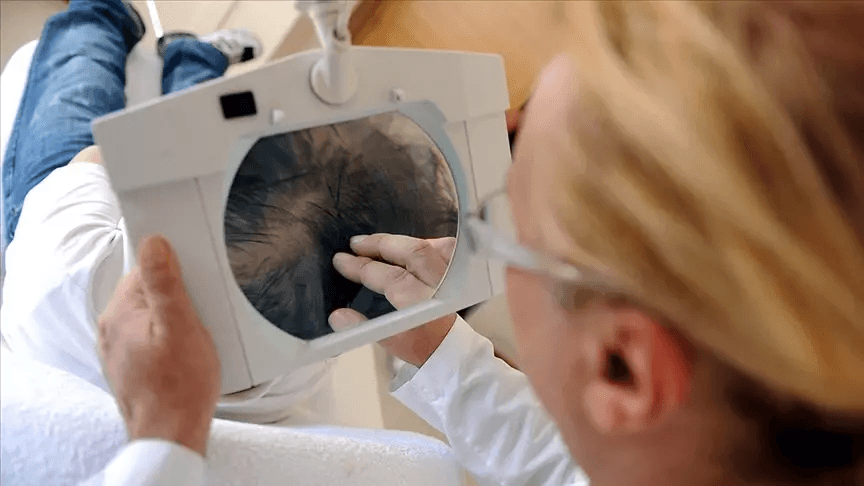
Türkiye's flagship health tourism city is entering a new phase of competition as Istanbul clinics, already dominant across the Middle East, turn their focus to attracting more European patients to keep operating rooms full year-round.
“We have practically covered the Middle Eastern market—almost everyone has had a transplant. Now the focus is shifting toward Europe.”
Clinic operators report that patients from Germany, Spain, Italy and England currently make up the fastest-growing segment, with most itineraries routing directly through Istanbul rather than secondary coastal destinations.
Industry figures stress that Istanbul has outperformed rival Turkish cities such as Antalya, effectively becoming a stand-alone brand that can charge a premium even when other destinations offer half-price packages.
Unofficial estimates suggest around 750,000 international visitors travelled to Türkiye for hair transplants last year, though the true figure is difficult to verify because as much as 90% of the market still operates informally and many cash transactions go unrecorded.
Estimated annual hair transplant visitors
750,000+ in 2024
Sector bodies say six million people have travelled to Türkiye for hair restoration over the past six years.
Price competition remains fierce: while procedures averaged about €4,000 just a year ago, all-inclusive packages in Istanbul now range between €1,500 and €3,000, helping clinics capture value-conscious Europeans feeling the pinch of inflation at home.
Dental aesthetics packages—especially in Antalya—continue to complement hair transplant demand, creating bundled itineraries that appeal to British patients seeking comprehensive makeover trips.
“Many companies rushed into hair transplantation for quick profits, but those that couldn't maintain quality have already disappeared.”
Executives warn that oversaturation sets a high bar for patient experience, prompting reputable Turkish providers to open satellite clinics across Europe and the Gulf to keep referrals strong while reducing the number of patients who must travel.
Despite those challenges, Türkiye's wider health tourism industry welcomed 1.5 million visitors and generated roughly $3 billion in revenue last year, and policymakers expect the sector to reach $6 billion in 2025 on a trajectory toward $20 billion by 2030.