Yes, I had a hair transplant in Turkiye – and nobody would know it
Telegraph writer Dom Hogan flies to Istanbul, endures 6.5 hours of micro punches and meticulous grafting, and returns home with a discreet new hairline that even his barber struggles to spot.
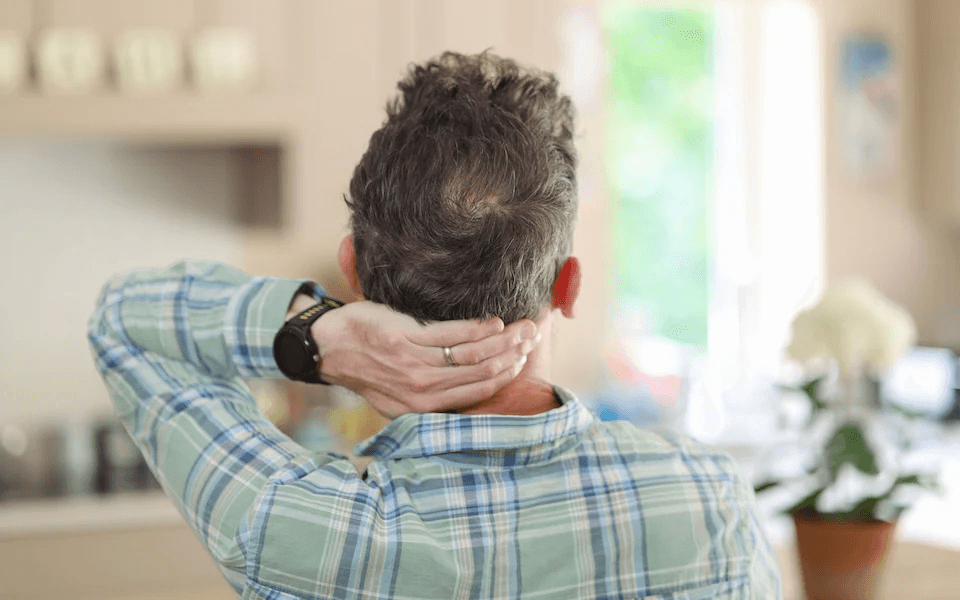
The wake-up call came a few years ago when I saw a picture of myself bowling in a cricket tournament in Thailand and wondered who on earth the imposter with the bald patch was. I had known the thinning was happening, but seeing my crown resemble a deforested section of the Amazon made the problem impossible to ignore.
The shock was aggravated by family history. My father died at 41 after significant hair loss, and by my mid-thirties I could see myself following the same trajectory. I wanted to close the gap between the virile Peter Pan figure I imagined and the balding has-been staring back from photos.
Growing up with two brothers left me competitive, and their jokes about my ever-increasing circle of scalp only intensified the itch to act. Friends nicknamed me Cadfael and Friar Tuck. I tried minoxidil-based products to slow the recession, but nothing delivered the discreet miracle I craved.
Everything changed when an old school friend returned from Istanbul looking miraculously fuller on top. He had used Estenove, a clinic that claims a 90-95% success rate and is licensed by the Turkish Ministry of Health. Their confidence, plus the price (roughly a third of UK packages), convinced me to book.
My trip started badly at Heathrow when Turkish Airlines refused to let me board because my ticket read Dom but my passport says Dominic. Thankfully my Turkish contacts sorted it over the phone, sparing me a wasted journey and only adding a few rogue grey hairs.
After a dawn arrival in Istanbul I'm collected by a VIP taxi with studded roof lights and whisked to the hotel. A few hours later I'm driven to Academic Hospital to meet Polen, my chaperone and translator, who calmly walks me through every stage of the day.
There's a good reason Istanbul has become synonymous with hair transplants: the £2,750 I paid (about £3,600 including extra grafts and the five-star hotel) is roughly three times cheaper than comparable UK work and four times less than US clinics.
Walking back through my own front door later that week, my family were curious but not horrified. Estenove set up a WhatsApp group to monitor progress, answer questions about scabs or swelling, and generally keep me from panicking whenever a graft flaked off.
Dom's hair transplant: The details
Procedure length
6.5 hours from first injection to final graft
Total package cost
About £3,600 including travel, hotel and surgery
Technique
4,600 follicles harvested via FUE and implanted across the crown
During the initial consultation, bleary-eyed, I'm asked to guide the surgeon's pen as he sketches my new hairline. Too low and I'd resemble Sean Connery in Never Say Never Again; too high and what's the point? I aimed for something akin to England cricket legend Ben Stokes' honest, natural density.
My hair is quickly shaved to the bone so they can reach every centimetre of scalp. I'd dreaded the anaesthetic injections, but instead a needle-free jet gun delivers a fine mist of numbing agent across my head.
Those 15 blasts feel like tiny bee stings, especially around the ears and forehead, yet it's the only truly painful part. Once numb, I'm flipped face down for two hours while technicians harvest 4,600 follicles using a micro punch tool. The grinding noise is surreal but painless.
How follicular unit extraction (FUE) works
- Hair follicles from the donor zone (usually the back and sides) are removed one by one.
- Each graft is implanted into the thinning patch after the area is shaved and micro channels are opened.
- The recipient area is bandaged for two to five days while the grafts settle and begin healing.
The final phase is painstaking: the harvested follicles are loaded into pen-like implanters and inserted hair by hair by three highly focused technicians while soft music drifts over from the TV.
Post-op instructions are strict: no tea, coffee or alcohol for five days, nothing spicy or salty for a week, foam the grafts every day for two weeks, and don't bend my head forward or wear a hat for 12 days.
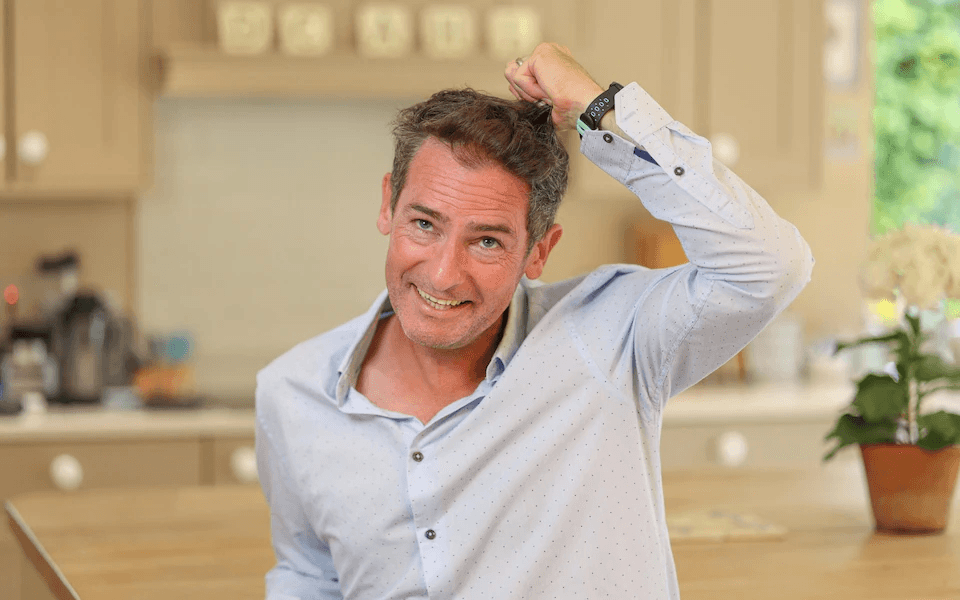
Apart from the first fortnight's itchiness, the toughest part is letting the scabs fall naturally and resisting the urge to get a haircut (forbidden for two months with scissors and six months with a razor). On the bright side, my hairdresser now says she can't tell I've had anything done.
The downtime
- Avoid tea, coffee, alcohol or very salty/spicy food for five days.
- Dab special foam on the grafts daily for the first two weeks.
- No hats for 12 days and no scissors for two months (razors are banned for six).
- Take one to two weeks away from work if possible to baby the grafts.
- Wash hair gently from day six; dissolve stitches are removed between days 10 and 14.
- Expect new hair to reappear after four months and full results around 10-18 months.
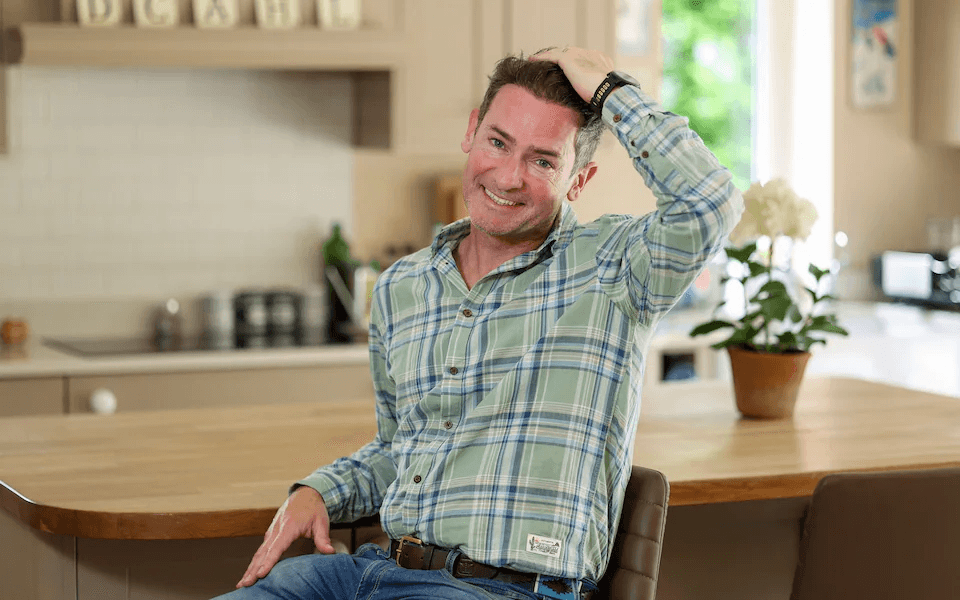
A year on, friends and family react with envy rather than ridicule. Two mates have already booked their own Estenove trips, which feels like the ultimate compliment.
How to have a safe hair transplant in Turkiye
- Beware brokers and middlemen who hide the real medical team.
- Insist that clinics list their doctors and qualifications—UK GMC or Turkish TTB credentials matter.
- Never allow a non-doctor to perform the surgery.
- Check that the facility is properly licensed in its home country (TTB in Turkiye).
- Avoid anyone promising "scarless" procedures—hair must be harvested from somewhere.
- Understand the technique (FUT vs FUE) and choose what suits your goals and hairstyle.
- Read independent reviews on sites such as Trustpilot before paying deposits.